GLP-1 medications have become one of the biggest healthcare and consumer behaviour shifts in recent years.
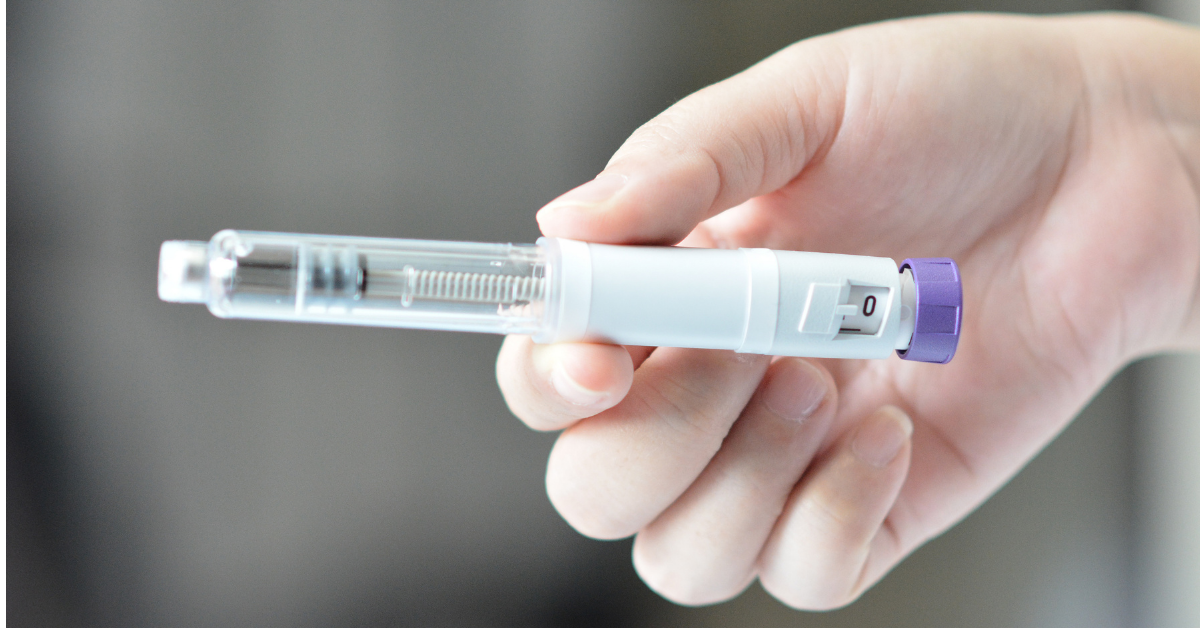
Originally developed to support people living with type 2 diabetes, GLP-1 medicines are now increasingly used for weight management, influencing far more than weight alone. They are changing how people think about food, health and everyday choices.
Recent research from YouGov found that 8% of Britons say they have used weight-loss medication, while a further 14% are considering doing so in the future. However, this is a fast-moving area, with awareness, access and adoption continuing to change.
In the UK, GLP-1 medicines currently require a prescription, with access dependent on eligibility criteria and clinical guidance.
Much of the conversation around GLP-1 medication has focused on what consumers are eating less of. But for brands operating in food, drink, consumer health and wellbeing, the more interesting question is:
What are consumers choosing instead?
We wanted to move beyond the obvious headlines and understand more about why people start taking GLP-1 medication, how their habits are changing, what they feel is missing and where new opportunities may exist for brands.
To explore this, we reached out to members of the Angelfish Opinions community who currently use, or have previously used, GLP-1 medication.
Who we asked
Our respondents shared their experiences of starting treatment, changing habits, spending differently and the support they would like to see in the future.
The majority of respondents were women, with the largest age group being those born between 1960 and 1979. Respondents also included people from younger age groups.
The most commonly reported GLP-1 medications were Mounjaro, Wegovy and Ozempic, with most participants having taken medication for between 1–3 months, 4–6 months or 1–2 years.
As with any community-based pulse survey, these findings represent the experiences and perspectives of our respondents rather than a nationally representative study. However, they provide valuable insight into changing behaviours, priorities and expectations among people using GLP-1 medication.
Why are consumers choosing GLP-1 medication?
GLP-1 medication is often discussed in relation to weight loss, but our research found that the reasons people choose to start treatment are much broader.
For many respondents, GLP-1 medication was not a first attempt. Instead, it represented a new approach after previous efforts had not delivered the results they wanted.
The most common reasons respondents gave were:
- 67% said previous weight-loss approaches had not worked for them
- 57% wanted help managing appetite or cravings
- 48% wanted to improve their general health
- 37% wanted to improve their mobility or energy levels
This is an important insight for brands and consumer health researchers.
The GLP-1 audience is not one single consumer group with one motivation. Some are looking for a different approach after years of trying to lose weight, while others are focused on improving their wider health, confidence and quality of life.
One respondent explained:
“Tried multiple other diets and strategies and nothing worked in a sustainable way, wanted to lose weight for health reasons.”
Understanding this motivation matters because it shapes what consumers need beyond the medication itself. The opportunity is not simply to help people lose weight, but to understand how their habits, expectations and priorities evolve throughout their journey.

The biggest gap may come after GLP-1 treatment
Perhaps the most interesting finding from our research was not about starting GLP-1 medication. It was about what happens afterwards.
Many conversations around GLP-1s focus on access, effectiveness and weight loss outcomes. However, respondents highlighted a need for more support in maintaining progress over time.
The most common responses were:
- 33% wanted continued access to medication at a manageable cost
- 12% wanted products that help them get enough protein, fibre or nutrients
- 9% wanted digital trackers, apps or online communities
- 8% wanted help with meal planning and portions
The comments behind these answers were particularly revealing.
One respondent said:
“There is lots of support for starting but very little about maintaining your weight afterwards.”
Another explained:
“I have for the first time found I don’t constantly have food on my mind. If I stop the medication I know that will come back.”
For consumer health brands, this highlights a significant opportunity. The future of GLP-1 support may not just be about helping people achieve weight loss. It may be about helping people maintain new habits long term.
How are GLP-1 medications changing food choices?
One of the clearest findings from our survey was that GLP-1 users are not simply looking for less food.
They are becoming more intentional about what earns a place in their basket.
When asked what had become more important when choosing food and drink products, respondents highlighted nutrition, portion sizes and quality.
The most common responses were:
- 74% prioritised higher protein
- 62% valued smaller portion or pack sizes
- 49% considered lower sugar or fewer calories more important
- 45% prioritised vitamins, minerals or nutritional value
- 43% placed more importance on product quality
For FMCG brands, this suggests a shift away from traditional weight-management messaging focused purely on restriction.
Historically, weight-loss products have often centred around what consumers should remove from their diets. However, GLP-1 users appear increasingly interested in what products can provide: protein, nutrients, energy and practical support.
Protein was particularly prominent.
One respondent shared:
“I buy protein powder and creatine, because I don't need a big breakfast - I have this after the gym now.”
The opportunity for brands may not be creating more “diet” products. It may be developing products that support changing routines and help consumers feel they are making every choice count.
GLP-1 users are not spending less. They are spending differently
A common assumption is that if people are eating less, brands will automatically see reduced spending.
Our research suggests the picture is more nuanced.
While some categories are seeing reduced spending, other areas are becoming more important as consumers redirect their budgets towards products and experiences that support their changing lifestyles.
Respondents reported lower spending on:
- Takeaways and eating out (2.8/9)
- Alcohol (2.9/9)
- Snacks and treats (3.0/9)
However, spending increased or remained stronger in areas linked to health, wellbeing and confidence:
- Vitamins and supplements (5.6/9)
- Clothing (5.4/9)
- Exercise and fitness (5.3/9)
- Beauty and personal care (5.2/9)
The takeaway for brands is that GLP-1 adoption does not necessarily mean less consumer demand. Instead, it may represent a redistribution of spend.
Consumers may be buying fewer impulse products, but they are investing more in products and experiences that support how they want to feel and live.
-Sep-01-2026-03-26-07-0534-PM.png?width=1200&height=628&name=Untitled%20design%20(4)-Sep-01-2026-03-26-07-0534-PM.png)
What products and support do GLP-1 users want?
While there is growing discussion around creating products specifically for people taking GLP-1 medication, our research suggests consumers are often looking for something broader.
They want products and services that solve practical challenges and fit their new routines.
The most common responses were:
- 64% wanted more protein or fibre
- 53% wanted genuinely smaller packs at a fairer price
- 52% wanted products that support energy and muscle maintenance
- 51% wanted products that are easier to eat when appetite is low
- 43% wanted more vitamins, minerals or nutritional value
Interestingly, fewer respondents selected products specifically designed and labelled for GLP-1 users.
This suggests the opportunity may not be creating a completely new category of “GLP-1 products”.
Instead, brands could focus on understanding the practical needs behind this shift: better portion options, improved nutrition and products that fit changing consumer lifestyles.
One respondent highlighted this need:
“I think that now there is a lot of support available but maybe more ideas about nutritious smaller meals…”
Looking ahead: could GLP-1 tablets change consumer expectations?
With the approval of the UK’s first GLP-1 tablet for weight management, we also explored whether a tablet option could influence future preferences.
Among respondents:
- 39% were interested but wanted more information
- 27% currently use an injectable GLP-1 and would consider switching to a tablet
- 20% would prefer to continue using an injection
Convenience appears to be a key consideration, with respondents highlighting benefits such as easier travel, storage and avoiding injections.
However, effectiveness, cost and remembering to take a daily tablet remain important factors.
As more treatment options become available, understanding what influences consumer decisions will become increasingly important for healthcare and consumer health brands.
Final thoughts
GLP-1 medication is changing more than appetite. It is changing how consumers think about food, health, spending and the support they need.
For brands, the opportunity is not simply to create products aimed at people taking GLP-1 medication. It is to understand the changing behaviours behind this shift.
Consumers are looking for:
- Products that deliver greater nutritional value
- Formats that fit their changing needs
- Practical support that helps them maintain healthier habits long term
At Angelfish Fieldwork, we help brands and research teams connect with the right audiences through consumer health research, product testing, online communities and qualitative research.
Interested in understanding changing consumer behaviours? Get in touch with our team today.