

The weekly shop is not just the weekly shop anymore.
That is the challenge for insight teams.
Customer behaviour is shifting in small, fast, very human ways. Cost pressures, social media, shorter trend cycles, family influence and changing routines are all shaping everyday decisions. But those decisions do not always show up neatly in a focus group.
This is why video ethnography has become such a valuable part of customer closeness research.
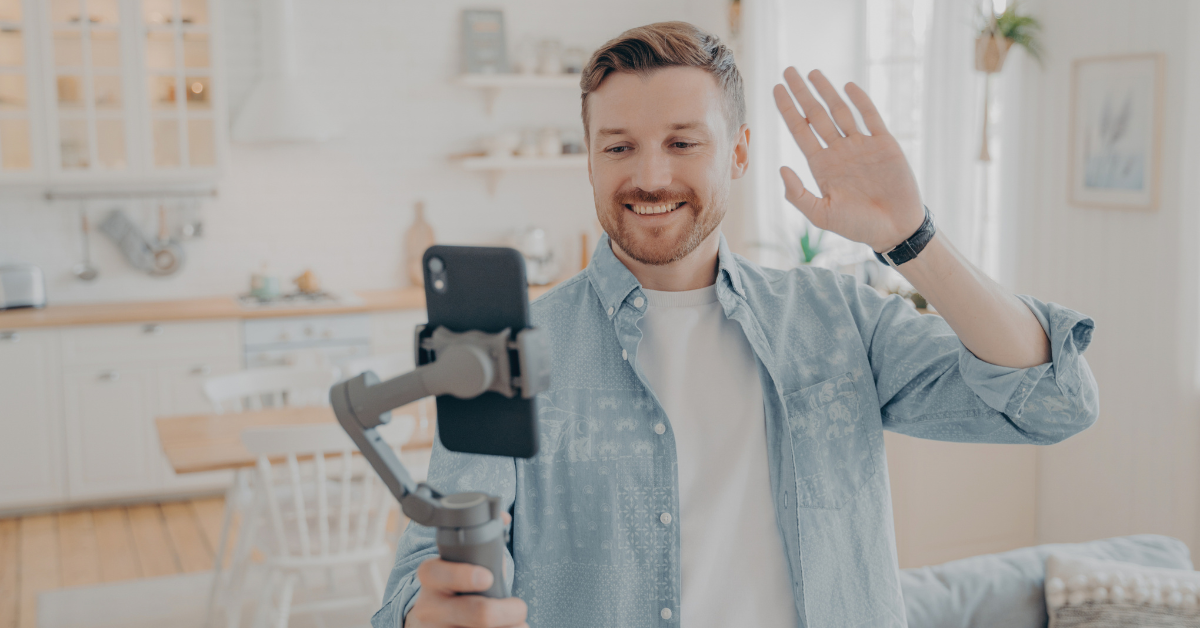
In simple terms, video ethnography asks participants to capture parts of their real lives on video, usually through their phone, so researchers can see behaviour, routines and decisions as they happen.
Not just what people say they do.
What they actually do.
Real Life Is Hard to Remember Accurately
This is not a criticism of traditional qualitative research. We’re huge fans of a focus group here at Angelfish. A strong depth interview can be incredibly revealing. Online communities, workshops and discussion groups all have their place.
But real life is awkward.
People forget things. They summarise. They give the answer that feels most logical afterwards. They describe what they think they usually do, not always what happened when they were tired, distracted, rushing through a shop, scrolling on the sofa or trying to keep three people happy at once.
And that is often where the best insight lives.
A participant might say they always compare prices. Video might show when they do not. A parent might describe a calm morning routine, then record the real version with missing shoes, half-eaten toast and someone refusing to leave the house. A shopper might say sustainability matters, then show the moment price, convenience and habit win.
None of this means people are being dishonest.
It means they are human.
If brands want genuine customer closeness, they need to get closer to the moments where decisions actually happen.
Video Helps People Show, Not Perform
The real strength of video ethnography is not the technology. It is the access.
A phone camera can take researchers into places a formal interview never can: kitchens, cupboards, cars, supermarkets, bathrooms, bedrooms, apps, morning routines and late-night scrolls.
Good video ethnography still needs a clear objective, careful task design and proper consent. But when it is done well, it gives researchers something much richer than a polished answer.
It shows the pause before a decision.
The product picked up and put back.
The eye-roll when an app crashes.
The workaround someone has created because the “simple” process is not actually simple.
The family member in the background influencing what gets bought, eaten, watched, used or ignored.
These details matter because customers do not make decisions in isolation. They make them inside real homes, real budgets, real relationships and real routines.
That is what video captures so well.
Why It Works for Modern Participants
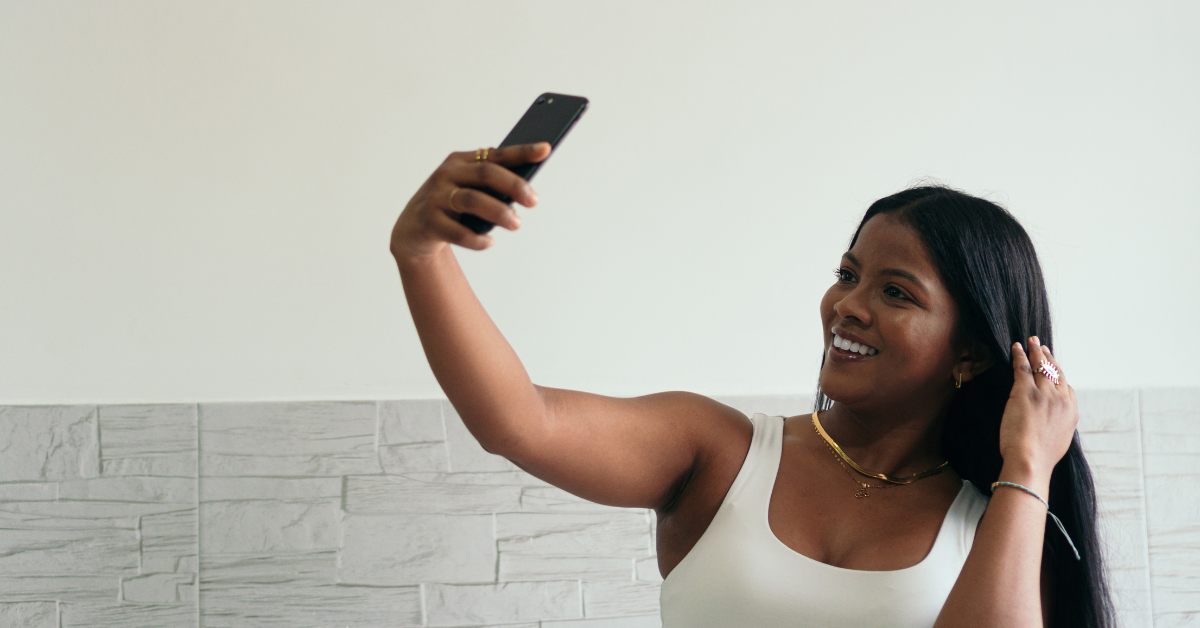
One reason video ethnography works is that it fits how many people already communicate.
We send voice notes. We record short videos. We screenshot things. We show people what we mean instead of typing it all out.
For many participants, being asked to record a quick video can feel more natural than being asked to explain everything in a formal research setting. It gives them a bit more control. They can respond when the moment happens, film in their own environment and show what they mean instead of trying to describe it perfectly.
This is particularly interesting for Gen Z and Gen Alpha research.
Younger participants are often used to expressing themselves visually, but that does not mean they want to be over-managed or put on the spot. Self-recorded video can give them ownership over the response. They choose how to frame it, where to record and how to explain what matters to them.
In our Generation Alpha case study, this was where video became especially valuable. Participants were not just answering questions. They were letting researchers into their world, on their terms.
That is often where the richest insight comes from.
Of course, research with children and young people needs proper care. Consent, safeguarding, privacy, parental involvement and MRS guidance all need to be taken seriously, especially when video, home environments or personal routines are involved.
But with the right structure in place, video can help younger audiences share more naturally than they might in a more formal setting.
Customer Closeness Needs the Messy Details
Customer closeness is not just about asking customers more questions.
It is about understanding the texture of their lives. What they are dealing with. What they notice. What they ignore. What they say matters, and what actually wins in the moment.
That is why video ethnography works so well alongside diary tasks, online research communities and other customer closeness methodologies (which you can explore on our customer closeness page ).
It can help brands see:
- how routines change across a week
- how spending decisions shift across a month
- how people use a product once the novelty wears off
- how families influence each other
- how people react in the moment, not three days later
- how attitudes and behaviours change over time
For example, if a brand wants to understand how families are coping with rising costs, one interview may give you a useful snapshot. A short video diary over two weeks may show the trade-offs happening in real time: the cheaper swap, the treat that stays, the brand that loses loyalty, the product that is still worth it.
That is a different kind of insight.
Less tidy, maybe. But often much more useful.
But Video Ethnography Can Fall Flat
This is the bit that does not get talked about enough.
Video ethnography is only as good as the people taking part and the way the project is managed.
If participants are unclear on the task, the videos will be weak. If they feel uncomfortable, they will hold back. If the study drags on without enough variety, they will lose interest. If the prompts feel repetitive, the answers will start to sound repetitive too.
Always-on research should not feel like homework.
To work well, video-led projects need:
Clear expectations from the start
Participants need to know what they are being asked to do, how long it will take, what they can and cannot film, and how their data will be used.
Tasks that feel achievable
A brilliant research question can still fall flat if the task is too complicated, too long or too vague.
Moderation that feels human
A good moderator knows when to encourage, when to clarify and when to leave people alone. Too much prompting can make the research feel forced. Too little support can lead to silence or drop-off.
Enough variety to keep people engaged
Short videos, photos, diary-style reflections, creative prompts and well-timed check-ins can all help maintain momentum, especially in longer studies.
That sounds simple.
It is not always done well.
Recruitment Is Where the Quality Starts
For video ethnography to work, recruitment needs more than simply filling quotas.
You do not just need people who match the demographics. You need people who understand the task, feel comfortable with the format and are willing to share properly.
Not perform.
Not give perfect answers.
Just contribute in a thoughtful, natural way.
Someone might look perfect on paper but struggle to record useful videos. Someone might meet the criteria but feel uncomfortable filming in their home. Someone might be happy to take part in a one-hour interview but completely wrong for a week-long diary task.
This is why validation matters.
A good recruiter will not just ask, “Do they qualify?” They will ask, “Are they right for this methodology?”
Are they engaged? Are they reflective? Do they understand the commitment? Are they likely to stay involved? Do they know what they are agreeing to? Have privacy, consent and expectations been explained clearly?
Because once fieldwork starts, poor recruitment shows quickly.
Weak videos. Missed tasks. Surface-level answers. Drop-off. Participants who technically qualify but do not give researchers anything meaningful to work with.
The platform can be brilliant. The methodology can be right. The brief can be exciting. But if the wrong people are recruited, the insight will suffer.
That is why the human side still matters so much.
The Point Is Not More Video. It Is Better Closeness.
Video ethnography is not valuable because it is new. It is valuable because it brings brands closer to real behaviour.
It helps researchers see the small moments that shape decisions. The routines people do not think to mention. The tensions between what people say and what they do. The influence of homes, families, shops, screens, budgets and busy lives.
And in a world where customer behaviour is changing quickly, that kind of closeness is becoming harder to do without.
Not as a replacement for great qualitative research.
As a way to make it more human, more contextual and more connected to real life.
At Angelfish Fieldwork, we help recruit and engage the right participants for video ethnography and customer closeness projects, making sure people understand the task, feel supported and are ready to contribute properly.
Related reading:
Download our Beginner’s Guide to Mobile Ethnography or get in touch to talk about your next customer closeness project.



-1.png?width=500&name=Untitled%20design%20(5)-1.png)